

A well-designed patio is often a beloved spot for social gatherings of your friends and family members. Sadly, its functionality is often hindered by the influence of elements. Does rescheduling of a BBQ or a birthday bash due to an unexpected, heavy downpour sound familiar? With this in mind, perhaps you should seriously consider the idea of enclosing your patio area.
Adding a weather-proof quality to it is certainly ranked high for many house-holders, but that’s not the only beneficial aspect of the project. The constant presence of an army of infinitely annoying mosquitos on balmy summer evenings can spoil your mood completely and chase away your friends. If you decide to screen your patio, you will not only fend off the insects, but with window panes, some elbow sweat and extra cash, you can turn it into an all-year-round room. This will also easily add to the square feet of your property.
Planning the outlook
The construction work cannot start without a decently drawn out plan. Make time to put your desired design on a sheet of paper, with all the necessary details included. There are certain questions you should answer in the process:
1. What kind of screening technique do you want to employ?
2. What roofing style suits you the best?
3. What type of windows would you like to incorporate and how to make them energy-efficient?
If you can’t decide between so many options, make a few different versions and give yourself some time to think about which one to choose.


Mind that the framing of your walls should be complimentary to by the styling of the existing roof type. It goes without saying that hiring an architect would be advisable to make an outline, unless you’re quite experienced with these works. For example, snowfalls and the pressure of it weight can lead to roof collapsing, therefore solid engineering is a must.
Roof setup
Hopefully, by now you have already made a choice between manageable scenarios such as trendy hip roof or classic angled roof. When it comes to materials for the roof, the best option is to acquire the same thing you used for the house. Steel roof would be a potential bump on the road, as you would have to get the panels from the exact same manufacturer, as their pattern are usually one-of-a-kind and alternative supplies may create an untidy outlook.
Wall and Screens
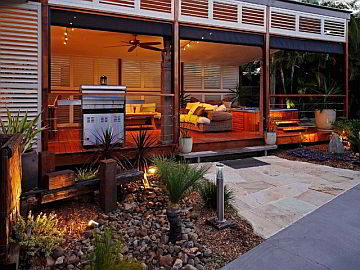

When walls are in question, they are a sturdy, more durable option. You have the possibility to make a wall-size frame. You can opt to use the traditional isolation or simply enjoy the benefits of quality double glazed windows provide, such as eco-friendliness, unchanging temperature and noise reduction. This will undoubtedly maximise its season-proof features and lasting potential. Lastly, take care of the sliding mechanism. Vinyl is a nice way to go.
Floor covering
This is probably the most challenging portion of the patio enclosing venture, a floor insulation endeavour. In a conversation with the experts in this department I received a tip to avoid permeable pavers and try to steer the rain and snow load away from the house foundation. Instead, I was advised to arrange a subgrade with gravel compacting, with the gravel sloping down from the house.
Only then should I position a rigid insulation foam onto it with a concrete slab on top, again sloping down from the building. What remains is to install pavers of your liking. The offer is vast, and the array includes genuine-looking stone pavers, homely brick pavers, back-to-nature grass pavers and perhaps even rubber pavers made of repurposed tires.
Equip yourself with a systematic and detailed plan and follow it to the letter. By this you will minimise the possibility of a mistake and meet your initially devised budget. To the drawing station, and start with the outlining of your dream patio.
Author Bio: If one thing is true about Lillian Connors, her mind is utterly curious. That’s why she can’t resist the urge to embark on a myriad of home improvement projects and spread the word about them. As the Co-Editor at SmoothDecorator, she cherishes the notion that sustainable housing and gardening will not only make us far less
dependent on others regarding the dwellings we inhabit, but also contribute to our planet being a better place to live on. You can check her out on Twitter and LinkedIn.